Blog
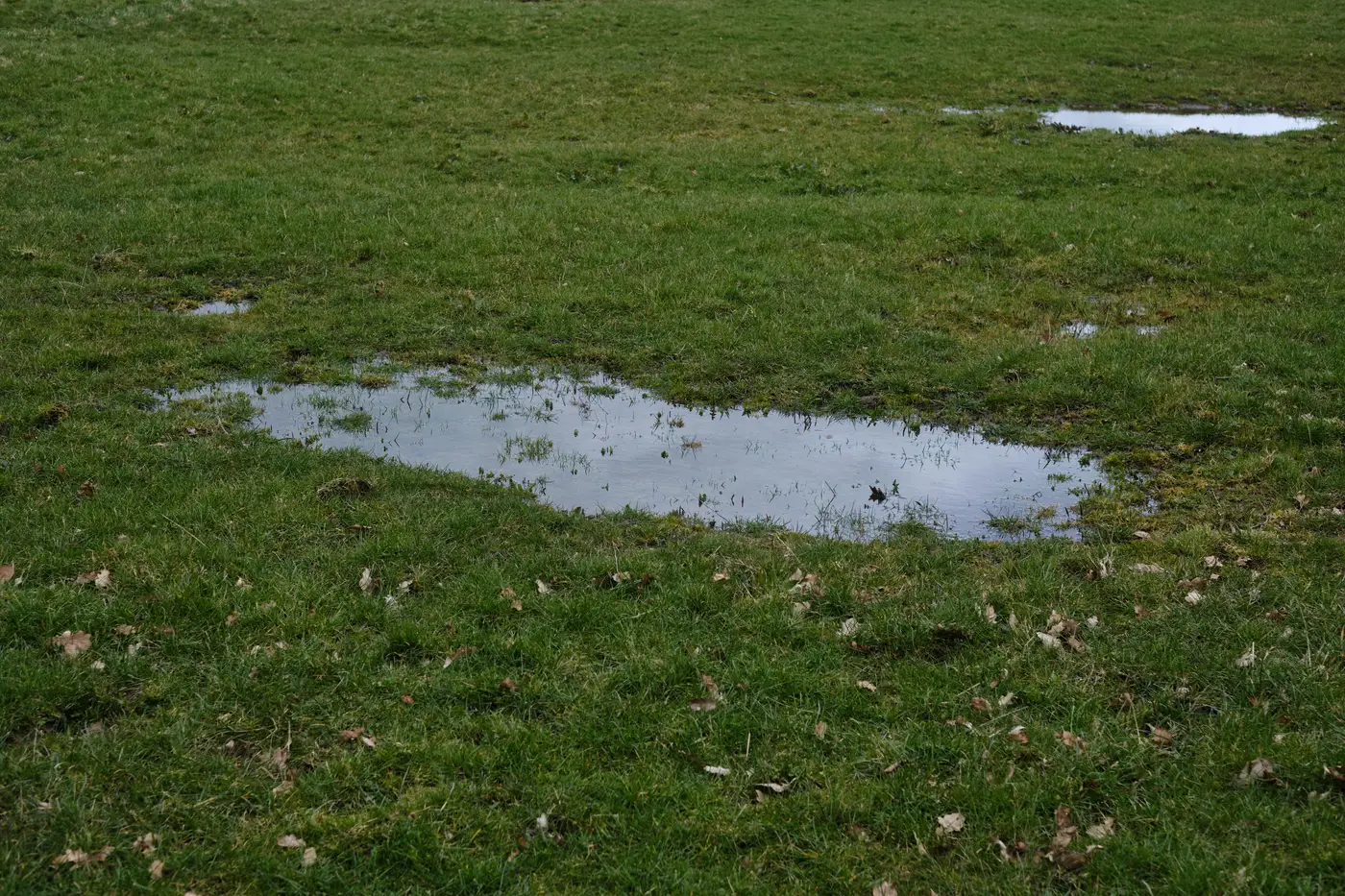 Scoping a cap repair after a vegetation stress flag
A stressed patch on a capped cell doesn't tell you the cause. Here's how to scope the repair before you call a contractor or the regulator.
 What is a corrective measures study, and what actually triggers one?
A plain-language look at what a corrective measures study is under RCRA corrective action, and how a cover integrity deficiency can lead there.
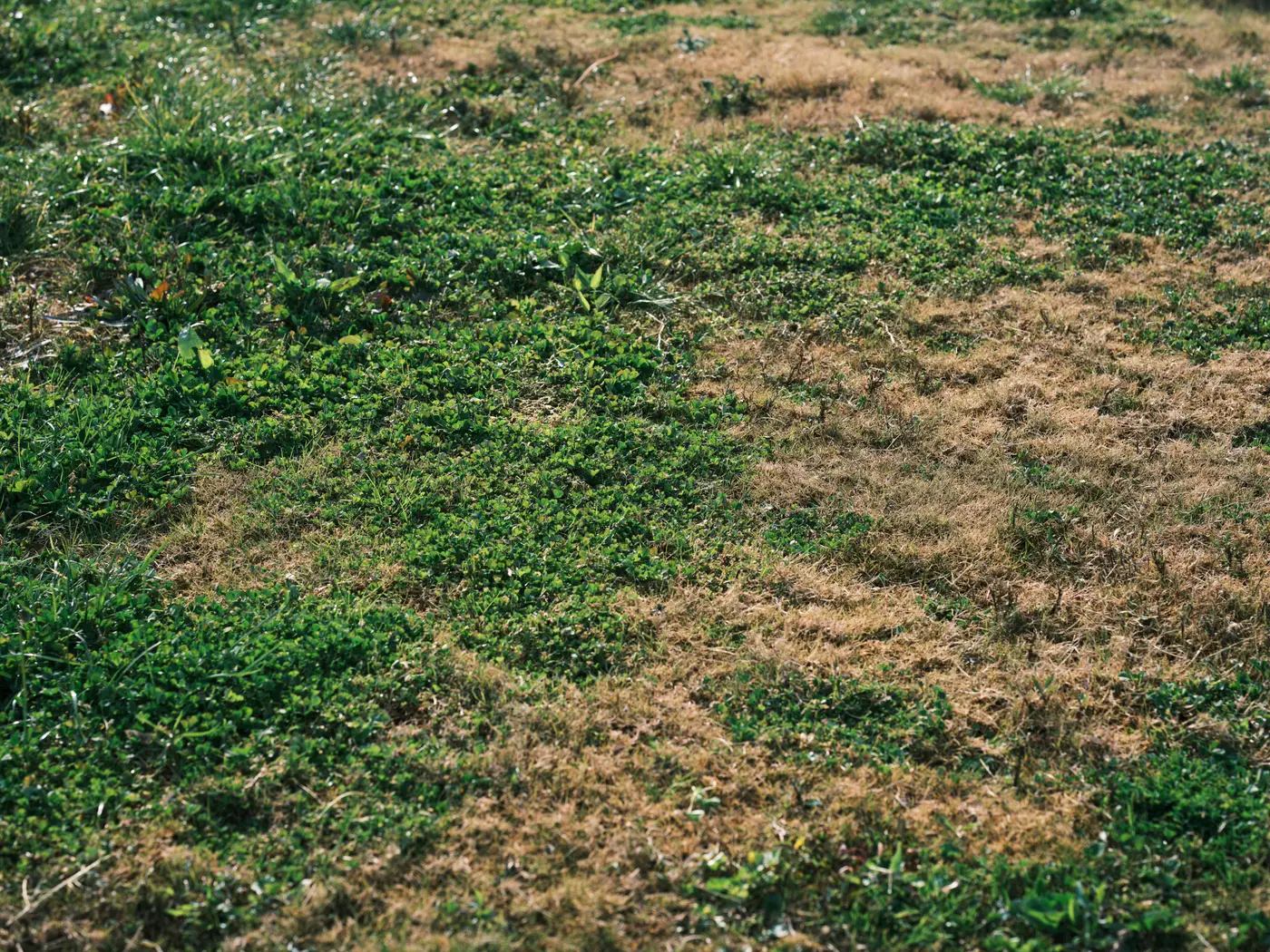 Field notes: the three acres that always flag red and never fail
Every capped cell has a patch that flags stressed every pass but never fails. Here's how to read the difference between chronic and new.
 What causes false vegetation stress flags on a landfill cap
Mowing patterns, irrigation gaps, and soil depth can trigger an NDVI stress flag on a capped cell with no cover failure behind it at all.
- Seasonal die-back vs real cover stress on a capped cell
How to read brown patches on a landfill cap: tell normal seasonal die-back and drought stress apart from a real cap integrity signal.
 What is NDVI, and why it flags landfill cap stress before it shows on the ground
A plain explanation of NDVI, the normalized difference vegetation index, and why it picks up landfill cap stress weeks before a site walk would.
- Field notes: the berm that held for three years, then didn't
A field-notes look at how a stormwater diversion berm can look fine for years, then fail, and why vegetation stress is the earlier tell.
- What is a financial assurance mechanism for landfill post-closure care?
A plain look at post-closure financial assurance under RCRA Subtitle D: trust funds, bonds, cost estimates, and what that money is actually supposed to cover.
 Multispectral imagery vs. a windshield drive-by for catching a cap problem
Why a quarterly windshield drive-by misses early cap stress, and what multispectral imagery catches before it shows up on the ground.
- What is a settlement monument, and why you read it every quarter
Settlement monuments track how a capped cell subsides over time. Here's what they are, how they're read, and where they fall short.
- Field notes: the cell that greened up early and nobody could explain why
A capped cell greened up three weeks early one spring. The reason wasn't good news, and it took a month to find.
- What counts as a cover integrity deficiency under RCRA post-closure care
A field guide to the conditions inspectors and regulators treat as cover integrity deficiencies under RCRA Subtitle D post-closure requirements.
- How to build a cover inspection checklist for annual landfill reporting
A practical checklist for cap surface, vegetation, and infrastructure items to cover in your annual post-closure landfill inspection report.
- ET cover vs clay cap: what actually separates the two final cover designs
A plain-language look at how evapotranspiration covers differ from compacted clay caps, and what each design means for post-closure monitoring.
 How long does post-closure care last for an MSW landfill?
RCRA Subtitle D sets a 30-year post-closure care period for MSW landfills, and it can run longer. Here's what that clock actually covers.
- How to spot burrowing animal damage on a landfill cap
A field guide to finding woodchuck holes and other burrow damage in a landfill final cover before they become a cap integrity problem.
- How often should you walk a closed cell for cover inspection?
A practical look at walkover frequency for closed landfill cells: what drives the interval, what a boots-on-the-ground visit catches, and where it falls short.
- Landfill cap settlement vs. erosion: how to tell them apart
Differential settlement and erosion rills can look alike on a capped cell. Here's how to tell which one you're looking at and why it matters.
- What causes desiccation cracks in landfill final cover soil
A look at why clay final cover soil cracks under drought stress, and why those cracks matter for cap integrity and gas migration.
- What is a landfill gas migration pathway?
What a landfill gas migration pathway is, how it forms through final cover, and why stressed vegetation on the cap is often the first sign.