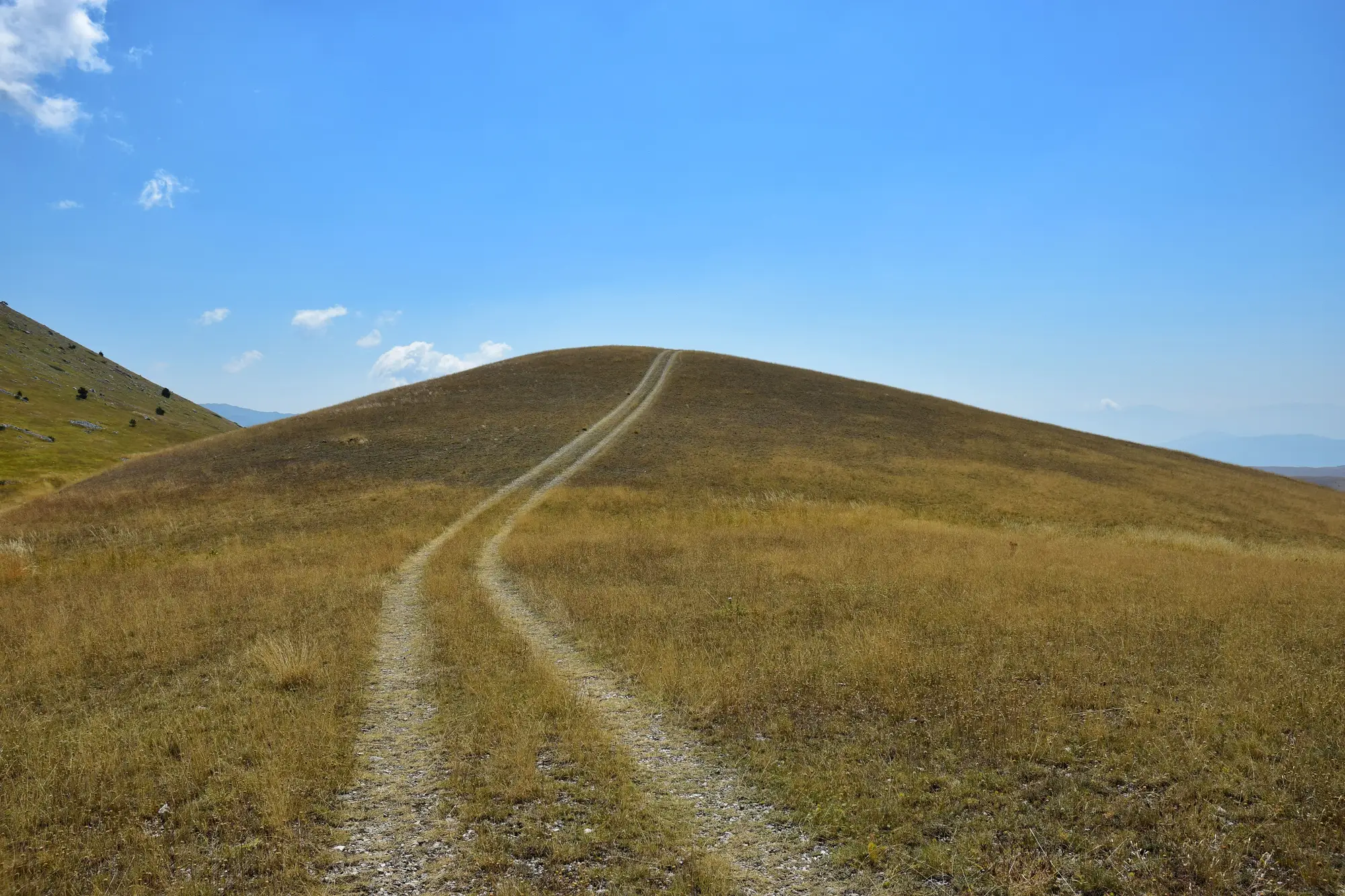
Every post-closure site eventually gets a visit from something with claws. Groundhogs, foxes, coyotes, muskrats near a pond or sedimentation basin, even the occasional badger out west. None of them care that there's a geomembrane and a foot and a half of cover soil between the surface and the waste mass. They just want a dry, undisturbed slope to dig into, and a well-vegetated landfill cap is exactly that.
The hole is the real problem, more than the animal that dug it. A burrow through the final cover is a shortcut for water to get in and for landfill gas to get out, right past the barrier layer that's supposed to stop both. Catching the damage early, before a single hole turns into a den complex with six entrances, is most of the battle.
Where to look first
Burrow damage doesn't show up evenly across a cell. Walk the toe of the slope first. That's where woodchuck holes and fox dens concentrate, because the ground is flatter and easier to dig into than a 3:1 side slope. Check anywhere the cover transitions, like around gas wellheads, leachate riser pipes, or settlement monuments, since loose backfill around a structure digs easier than compacted cap soil.
Look for the mound, not just the hole. A fresh burrow throws a fan of loose soil out front, usually lighter in color than the surrounding cover and often still showing shovel-like claw marks if it's recent. An old, abandoned hole gets grassed over at the edges and loses that fan. Both matter. An active burrow is actively undermining cover thickness right now, but an old one left unfilled is still a channel for water once the entrance slumps or widens after a freeze-thaw cycle.
Multiple holes in a line or a cluster usually mean a den system, not a single animal passing through. Groundhogs in particular dig a main entrance plus one or two "plunge holes" nearby as escape routes, so one visible hole on a cap can mean two or three more you haven't found yet, sometimes several feet away under thicker vegetation.
What burrow damage does to cap performance
A single woodchuck hole in isolation rarely breaches a geomembrane outright. The real risk is cumulative: settlement from void spaces under the cover, soil loss that thins the barrier layer below the regulatory minimum, and a direct infiltration path during a heavy rain event. Over a few seasons, a den complex that's never backfilled can turn a smooth, well-graded slope into a surface pocked with depressions that pond water instead of shedding it.
That's also where the vegetation tells on itself before the hole is even visible from the ground. Grass over a collapsing burrow often shows stress first, stunted, patchy, or off-color compared to the stand around it, because root zones get disturbed and drainage changes right at the surface. That stress pattern is the kind of thing a quarterly aerial pass over the capped cell can flag well before a field crew happens to walk that exact spot. If your inspection rounds only cover so much ground on foot, that's worth a look at a quarterly vegetation-stress read across the cap as a way to catch it sooner.
Fixing it without making it worse
Once you find an active burrow, don't just backfill the entrance and move on. Excavate the tunnel where practical, compact the backfill in lifts rather than dumping loose soil, and re-establish vegetation over the disturbed area so it doesn't become the next bare patch an animal reopens. For den complexes near a liner system or close to a gas collection trench, loop in whoever handles your gas monitoring before you start digging, since you don't want to puncture something while chasing a tunnel.
Vector control and routine mowing help, since shorter grass and fewer brush piles make a slope less inviting to den in. Animals keep testing a cap as long as it offers dry ground and cover from predators, so this maintenance repeats every season rather than finishing once.
Catching it early is the whole game, and a vegetation read across the full cell each quarter is one more way to see the stress pattern before the next site walk finds the hole.