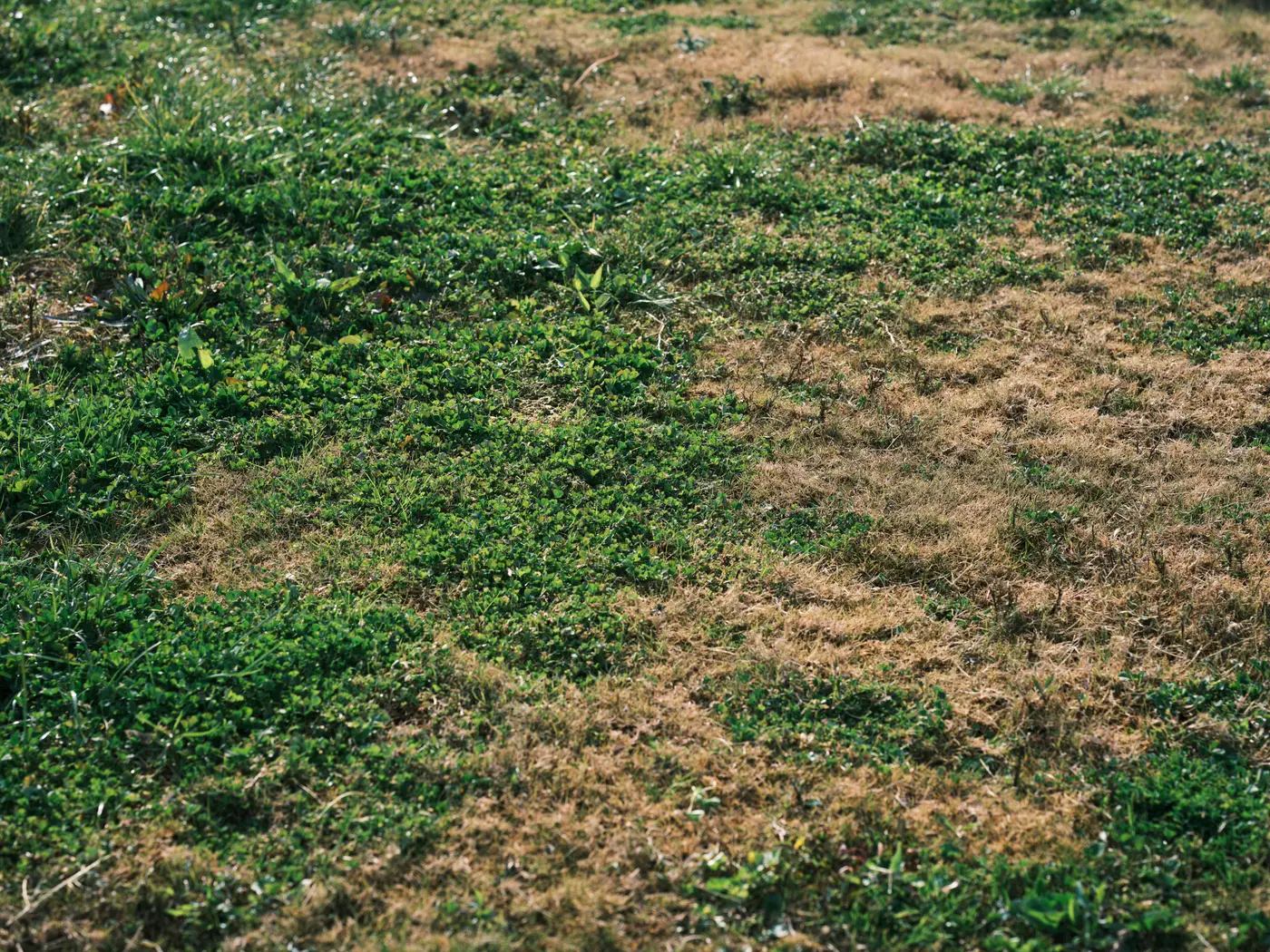
If you're responsible for post-closure care, you already know the annual report needs more than "cap looked fine." Most state agencies want a documented, repeatable inspection, not a memory of a walk you did sometime in the fall. A checklist is what turns that walk into something you can hand to an inspector or a consulting engineer without having to explain yourself twice.
What belongs on the checklist
Start with the cap surface itself. Walk every cell and note:
- Erosion rills, gullies, or exposed cover soil down to the barrier layer
- Settlement or differential subsidence, especially near old trench lines
- Cracking or desiccation on the cover soil
- Animal burrowing that could compromise the barrier layer
- Rutting from mowing equipment or maintenance traffic
Then the vegetative cover, since that's often the first visible sign something underneath isn't right:
- Bare or thinning patches
- Areas of stressed, yellowing, or stunted growth compared to the rest of the cell
- Woody vegetation with roots deep enough to threaten the cap
- Invasive species crowding out the seed mix
Then the infrastructure sitting on or poking through the cap:
- Gas extraction wells and probes, checked for damage, settling, or venting
- Leachate risers and cleanouts, checked for cracked casings or standing liquid
- Groundwater monitoring wells, locks, casings, and protective bollards
- Surface water controls: ditches, culverts, downchutes, berms
- Access roads and gates, especially washouts at culvert outlets
- Fencing, signage, and benchmark survey monuments
Note any conditions that might explain what you're seeing that day, like a recent heavy rain, a drought stretch, or a mow crew that was just through.
Building the actual form
A checklist on paper and a form you can fill out standing in the field are two different things. For each item above, the form needs a place for:
- Date, inspector name, weather, and cell or area ID
- Pass/fail condition, not just "noted"
- Photo reference number and GPS coordinate
- Whether this is a repeat finding from a prior inspection
- Status of any corrective action that was already open
Your permit sets the actual inspection frequency. Plenty of operators run quarterly walks in the first few years post-closure and stretch out once the cell has settled down. Keep a running log through the year so the annual report writes itself from four quarters of field notes instead of one rushed walk in November.
What goes in the annual report
The report itself usually folds in a summary of inspection dates and findings for the year, any corrective actions taken and their completion dates, settlement survey data if you run one, a gas monitoring summary cross-referenced to the main exhibit, and an open-items list carried into next year. The vegetative cover section is worth photographing from the same fixed points each visit, so a reviewer three years from now can actually see the change you're describing.
That last section is the weak point in most of these reports. A field walk every few months catches a dead patch spreading out from a vent if someone happens to walk past it, but it's a snapshot, limited to the ground someone covered on foot that day. We're piloting Landfill Cover Monitor as a quarterly multispectral read of the whole capped cell between inspections, flagging vegetation stress that might be worth a closer look before it shows up as a bare patch in next year's photos.
If your checklist keeps catching stress late, it's worth a look at what a wider read between visits might turn up.