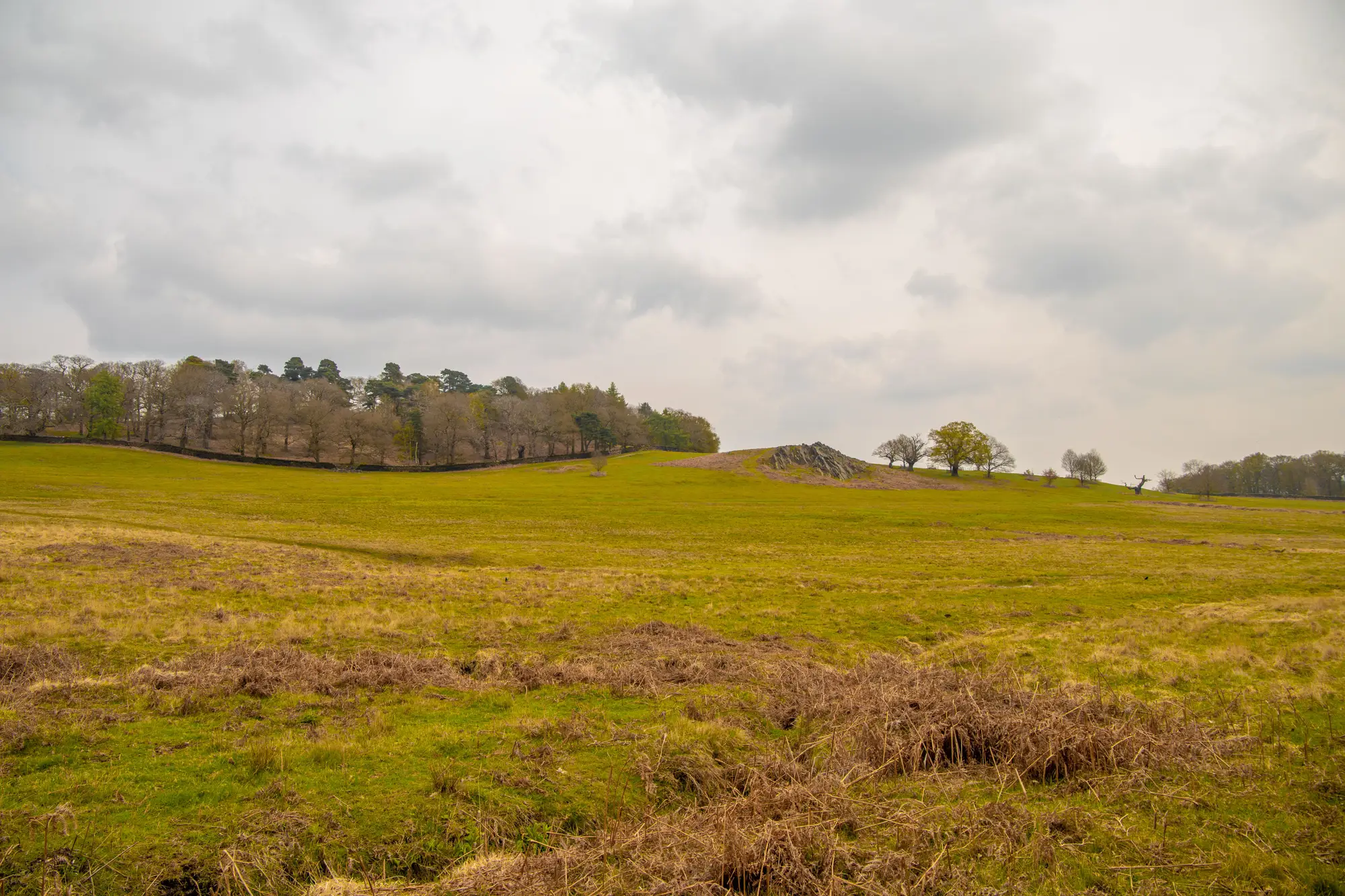
Thirty years. That's the number every post-closure plan starts from, and it's also the number operators love to argue with once the gas flares are quiet and the grass has taken on the cap.
The 30-year default, and why it's not fixed
RCRA Subtitle D, specifically 40 CFR 258.61, sets post-closure care at a minimum of 30 years from the date the last cell closes. Not from when the whole facility stops taking waste. If your landfill closed in phases, each cell has its own clock running, and the last one to close sets the facility's finish line.
That 30 years isn't a hard ceiling. The regulation lets the state director shorten it if the owner can show the waste no longer poses a threat to human health or the environment, and it lets the director extend it if problems show up late: a leachate spike, settlement that won't quit, gas that migrates further than the original monitoring network was built to catch. Most states run their own version of this with state-specific triggers, so the practical length of your post-closure period is whatever your state agency signs off on, not just what's printed in the federal rule.
During those years, Subtitle D requires you to maintain the final cover, keep the leachate collection and removal system running, keep monitoring groundwater, and keep monitoring landfill gas. The owner also has to carry financial assurance that covers the whole period, which is one reason states don't grant early termination lightly. Walking away from a cell early means walking away from the money set aside to deal with it.
What actually happens during those 30 years
For most of the period, post-closure care is quiet, routine work: mow the cap, check the gas probes, pull groundwater samples on schedule, fix erosion rills before they turn into gullies. The cap itself is doing the job it was built to do, keeping water out and gas in, and as long as it keeps doing that job, the monitoring data stays boring.
Trouble tends to start small and stay quiet for years before it's visible. A slope creeps, a gas probe starts reading hot, a wet spot shows up where there shouldn't be one, and by the time any of that is obvious from the access road, the cap has usually been under stress for a while. Cover repairs that would've been a truck and a crew with topsoil, done early, turn into a geomembrane patch or a regrade once the damage has spread.
Stressed vegetation over a cap is one of the earlier tells. A cover that's holding moisture wrong, venting gas unevenly, or settling underneath will often show up in the plant cover before it shows up as a visible slump or crack. Catching that shift early, rather than during the annual walk-through, is the gap a lot of post-closure programs have. That's the gap Landfill Cover Monitor is built around, a quarterly read of vegetation stress across your capped cell, flagged from multispectral drone imagery, run alongside the gas and groundwater monitoring you're already doing under your state's post-closure plan.
Does the clock ever stop early?
In practice, rarely, and only with data to back it up. A state director isn't going to shorten a 30-year obligation on an owner's say-so. You need monitoring records showing stable gas, stable groundwater, and a cover that's held up, usually for a good stretch of the period, before that conversation even starts. If anything, operators who've been through it say the paperwork to shorten the period is more work than just running out the clock.
The takeaway for your post-closure plan
Thirty years is the floor, not a target. Your facility's actual post-closure period depends on your state agency, your closure dates, and what your monitoring data shows over time. The work that keeps that period from running long, or ending in a corrective action order, is the unglamorous stuff: watching the cap for the early signs before they turn into a line item.
If your post-closure monitoring could use a quarterly check on cap vegetation stress alongside everything else you're already tracking, get in touch about early access.