If you've sat through an annual inspection debrief, you've heard the phrase "deficiency" thrown around loosely. Not every crack in the topsoil is one. Not every brown patch is one either. But some are, and knowing the difference before your state agency does is most of the job.
RCRA Subtitle D, specifically 40 CFR 258.60 and 258.61, sets the baseline for what a final cover system has to do: keep infiltration out, keep erosion in check, and support enough vegetation to hold the soil in place. A cover integrity deficiency is any condition that interferes with one of those three jobs, and the regulation judges it on function rather than listing named conditions one by one. The test is whether a condition threatens infiltration control, erosion control, or slope stability. If yes, write it up.
The conditions that typically qualify
Erosion rills and gullies. Once a rill is deep enough to expose the barrier layer, or even just thin the vegetative soil layer below the design thickness (usually 24 to 30 inches depending on your permit), that's a deficiency. A shallow sheet-wash pattern after a hard rain usually isn't, unless it's been there three inspections running and getting worse.
Differential settlement and cracking. Waste settles unevenly. Some of that is expected and gets noted as a maintenance item rather than a deficiency. But a crack that opens a preferential pathway through the barrier layer, or a settlement bowl that's started ponding water, crosses the line into deficiency territory because it compromises the infiltration layer's job.
Slope instability. Subtitle D caps generally need slopes between 3% and 25% (steeper with an approved alternative design). A slump, a tension crack along a side slope, or a slip surface showing through the vegetation is a structural deficiency, not a cosmetic one, and it usually needs an engineer's sign-off before repair.
Burrowing animal damage. Groundhog and prairie dog colonies are a recurring post-closure headache in a lot of states. Burrows that penetrate the barrier layer are a deficiency even if the surface looks fine, because the pathway they create for infiltration doesn't show up until you dig or until water starts finding it.
Woody vegetation and root intrusion. Volunteer trees and deep-rooted shrubs are a deficiency risk specifically because of what's under them, not what's visible. Roots that reach the barrier layer compromise it the same way a crack does.
Ponding and poor surface drainage. Standing water on a cap means the grading isn't shedding runoff the way the design intended. Left alone, it concentrates infiltration right where you don't want it and often kills the vegetation sitting in it, which compounds the problem.
Where vegetation stress fits in
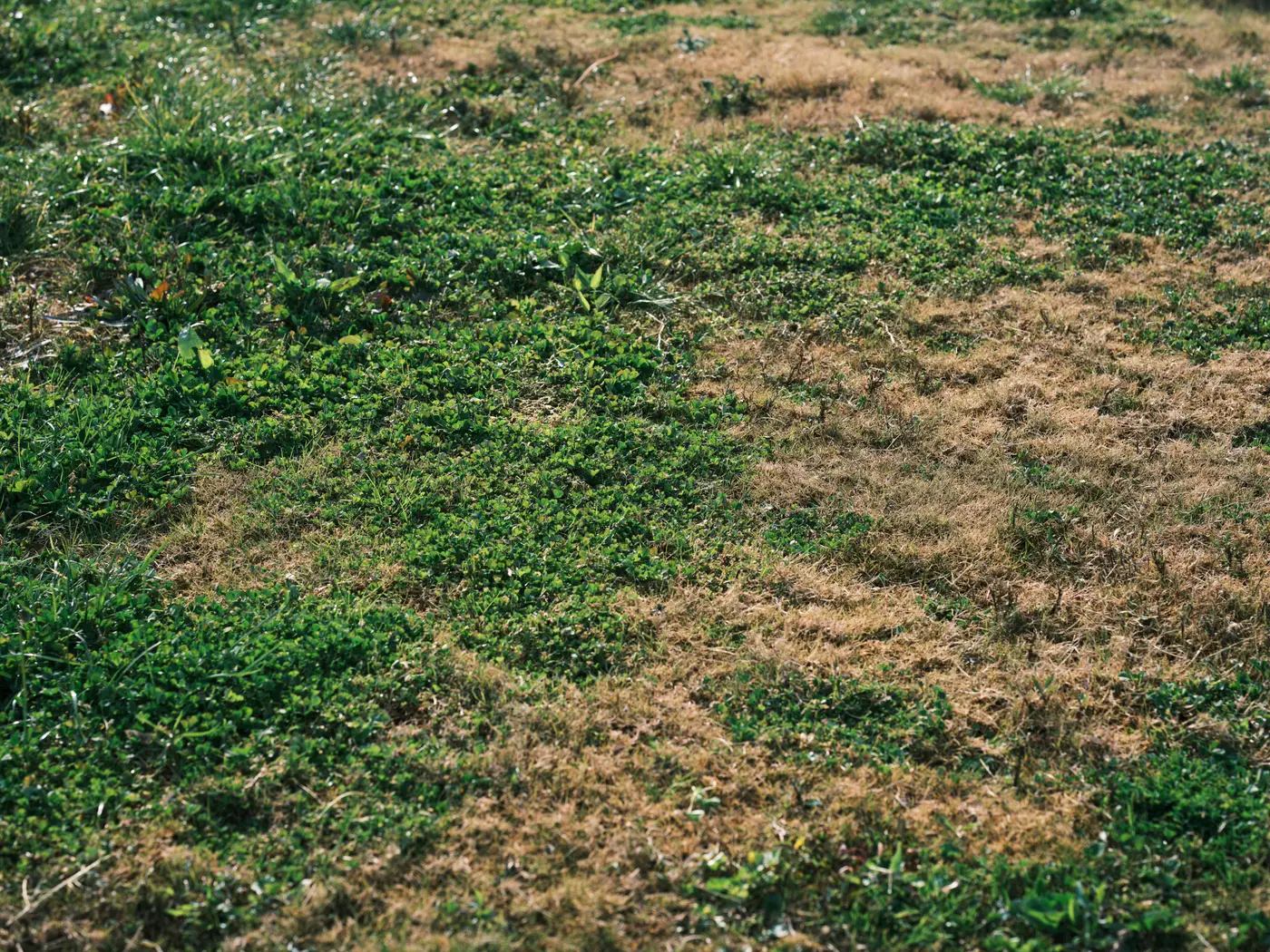
Thin, patchy, or stressed vegetation isn't automatically a deficiency on its own; the regs care about erosion and infiltration control, and vegetation is the tool that achieves both. But stressed vegetation is frequently the first visible sign that something underneath has gone wrong: a gas vent that's souring the root zone, a settlement area holding too much or too little moisture, a liner breach changing soil chemistry. A good post-closure cover inspection treats a vegetation stress pattern as a flag to go investigate, not as the deficiency itself.
That's also why the interval between inspections matters more than people give it credit for. Most post-closure permits only require annual walkover inspections, sometimes semiannual. A stress pattern that starts in April and spreads can be well established, and the underlying cause well advanced, by the time anyone walks the cap again. Landfill Cover Monitor exists to shorten that gap: a quarterly read of vegetation stress across your capped cell, flagged from multispectral drone imagery, so a stress signal gets caught between walkovers instead of at the next one.
Documenting what you find
Whatever you classify as a deficiency, document the location, the extent, and the suspected cause, and track it through to repair and re-inspection. Agencies generally care less about whether you found a problem and more about whether your corrective action and monitoring records show you're managing the cap the way your post-closure plan says you will.
If quarterly stress monitoring sounds like it would tighten that record for your site, get in touch about joining the pilot.